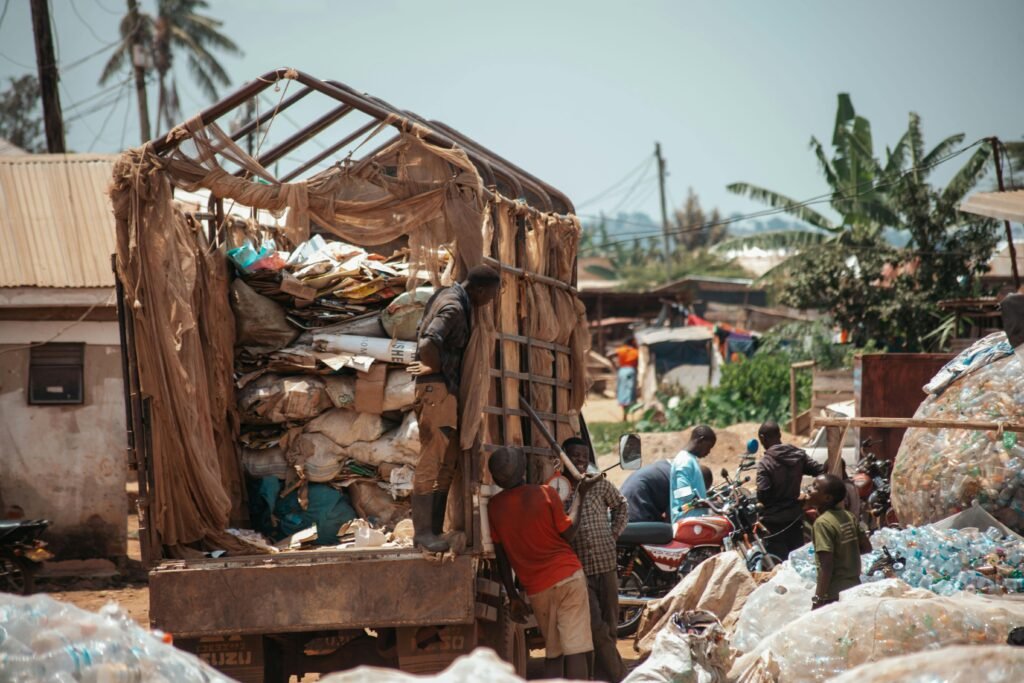
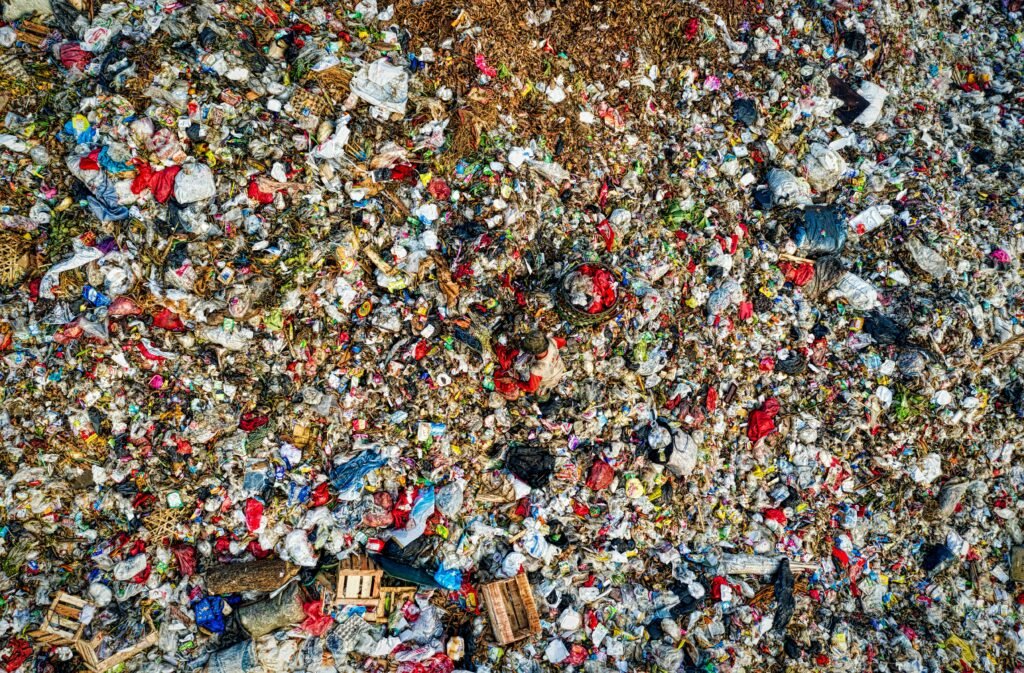
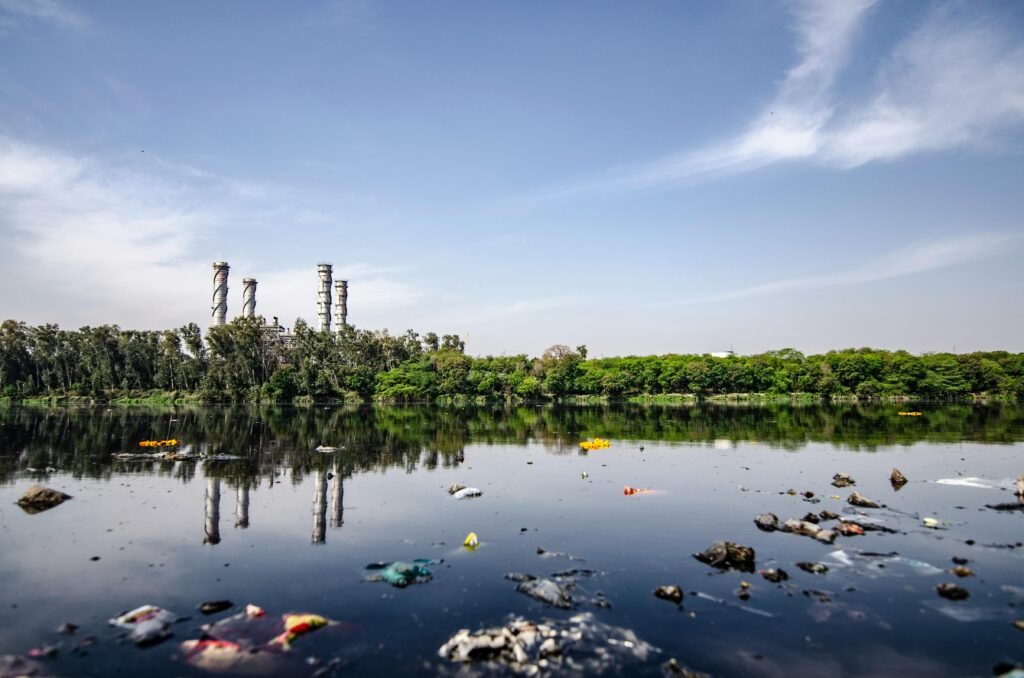
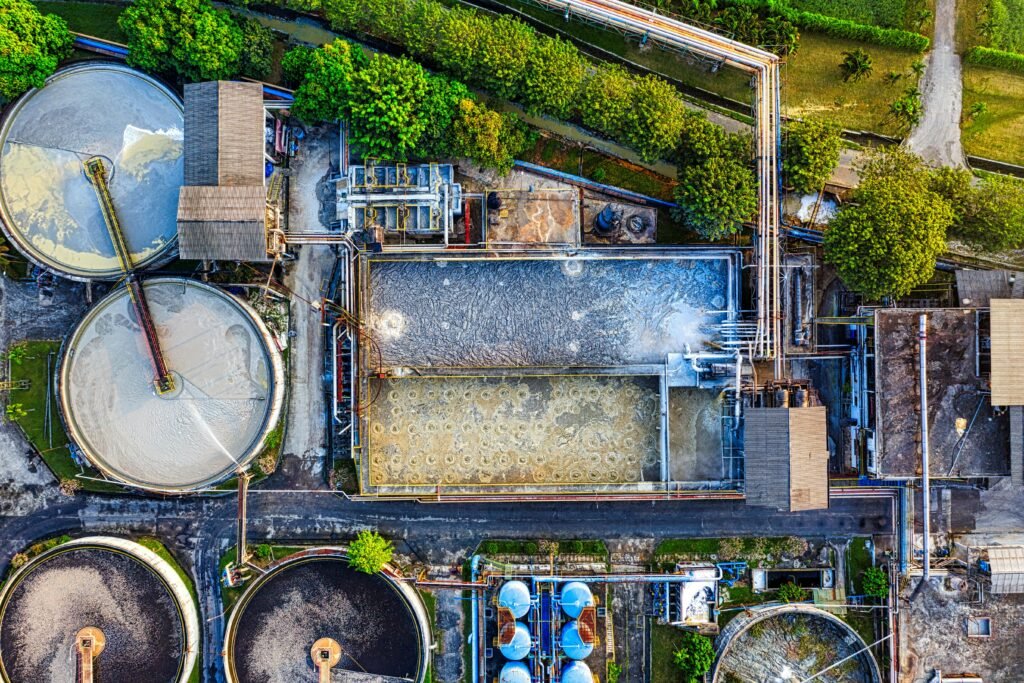
FINISH Society works on waste management to address growing environmental and public health challenges caused by improper waste disposal. Poor waste handling leads to pollution, disease, and unsafe living conditions, especially in vulnerable communities. By promoting waste segregation, recycling, composting, and community awareness, FINISH Society helps reduce landfill burden and supports sustainable practices. Their work also strengthens livelihoods of waste workers and encourages behavior change at the household level. Ultimately, waste management is essential for building cleaner, healthier, and climate-resilient communities, aligning with broader goals of sanitation, sustainability, and circular economy development.
Solid Waste Management (SWM)
Technical Support, Operations & MRF Management
FINISH Society works with Urban Local Bodies (ULBs) and communities to design and operate decentralised, compliant, and efficient solid waste management systems, aligned with the Solid Waste Management Rules, 2016. Our approach focuses on segregation at source, behaviour change, worker safety, and decentralised processing, ensuring sustainable operations and long-term impact
Our Vision to Empowered communities. Plastic waste–free cities. A cleaner, healthier, and circular future.
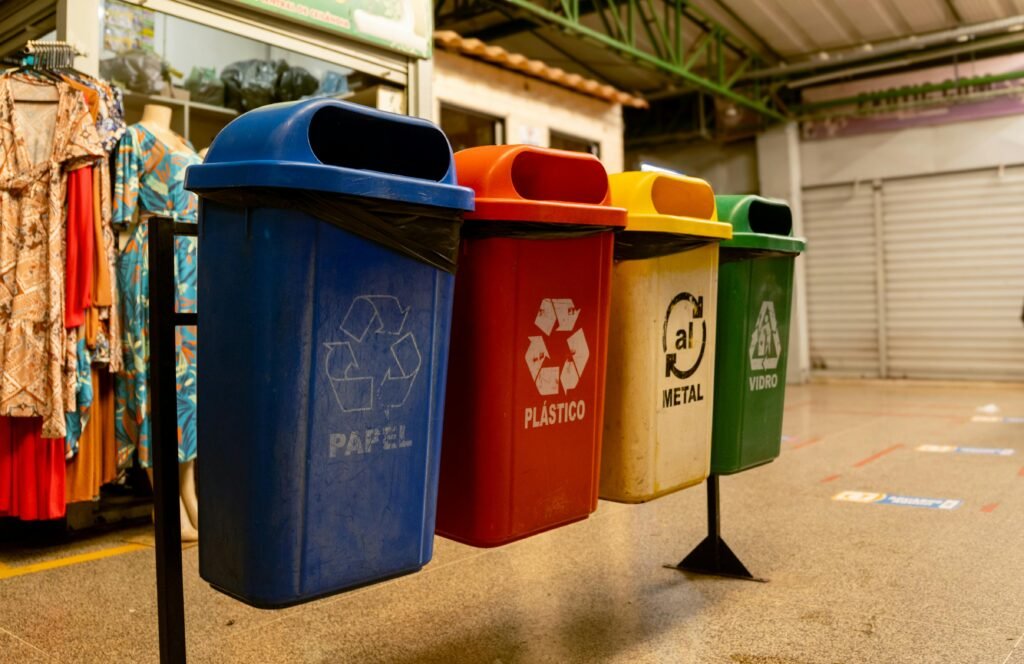
- Promote segregation at source through the message “Mera Kachra, Meri Zimmedari” using IEC, street plays, schools, and community meetings
- Strengthen collection, processing, and recycling systems, including route planning, MRFs, and cluster composting units
- Build capacity of sanitation workers and waste collectors on segregated collection, safety, and operations
- Enable digital monitoring, O&M systems, and community-led enforcement for sustainable waste management
Wet Waste Management
Wet Waste Management through Home & Community Composting
Turning Kitchen Waste into Black Gold
FINISH Society promotes home-based and decentralised composting to ensure wet waste is treated at source and does not leave the household. We encourage families to convert kitchen waste into nutrient-rich compost, and scale this approach to community and ward levels through community composters and decentralised solid waste management (DSWM) systems—reducing landfill burden, supporting waste workers, and closing the nutrient loop.
How We Do It
- Promote home composting through household trainings, low-cost kits, and DIY methods so wet waste is managed at source
- Establish community composting units in RWAs and housing societies, operated with the support of waste workers and residents
- Set up Decentralised Solid Waste Management (DSWM) units at ward or mohalla level to separately treat wet waste using the windrow composting method
Plastic Waste Management
From Waste to Resource
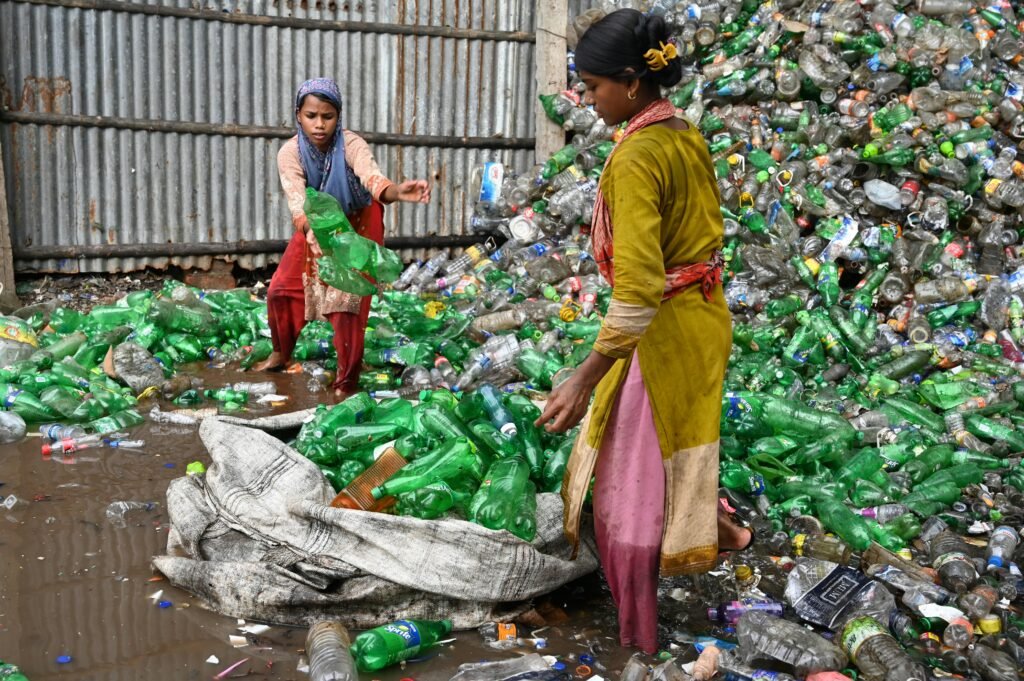
FINISH Society promotes responsible plastic waste management by applying the 4R approach—Refuse, Reduce, Repurpose, and Recycle—to minimise plastic pollution, strengthen circular economy solutions, and support livelihoods of informal waste workers.
How We Do It (4R Approach)
- Refuse & Reduce: Drive awareness on plastic reduction and responsible consumption through community campaigns, schools, SHGs, and youth groups
- Repurpose: Encourage creative reuse of plastic waste into vertical gardens, green fencing, drip irrigation systems, plant protectors, and gardening tools
- Recycle: Enable collection, segregation, and linkage of plastic waste to MRFs, authorised recyclers, eco-bricks, and plastic road initiatives
- Restore Livelihoods: Work with ragpickers and kabadiwalas to improve incomes, dignity, and safe integration into formal waste systems
Waste Water Management
Decentralised Wastewater Treatment & Reuse
FINISH Society promotes decentralised, nature-based liquid waste management solutions that treat and reuse wastewater locally. Our approach focuses on greywater and blackwater treatment systems that are cost-effective, low-energy, and suitable for villages, small towns, schools, and peri-urban areas—reducing pollution and protecting water sources.
Transform wastewater from a liability into a local resource—building resilient, water-secure, and climate-ready communities.
Why It Matters
In India, most wastewater remains untreated, polluting rivers, lakes, and groundwater. Rural and peri-urban communities are especially vulnerable due to poor drainage and limited treatment infrastructure. Centralised systems are often expensive and unsustainable, making decentralised solutions critical for water security and environmental health.
How We Do It
- Design need-based, decentralised treatment systems
- Use nature-based technologies such as constructed wetlands, lagoons, biofilters, and soak systems
- Enable reuse of treated wastewater for gardening, agriculture, toilet flushing, and groundwater recharge
- Prioritise low-maintenance, community-owned models aligned with CPCB norms
Our Work Across India
- Dungarpur, Rajasthan: Decentralised WWTPs treating greywater and blackwater using MBBR, wetlands, and drainage treatment
- Lake Sembakkam, Chennai: STPs using semi-natural systems to rejuvenate a polluted urban lake
- Nandurbar, Maharashtra: Village-level greywater treatment supporting agricultural reuse
- Nasik, Maharashtra: School-based greywater reuse through natural filtration trenches
Our Impact
Courage is not the absence of fear but the motivation to overcome it. These lines are characteristic of the hero of our …
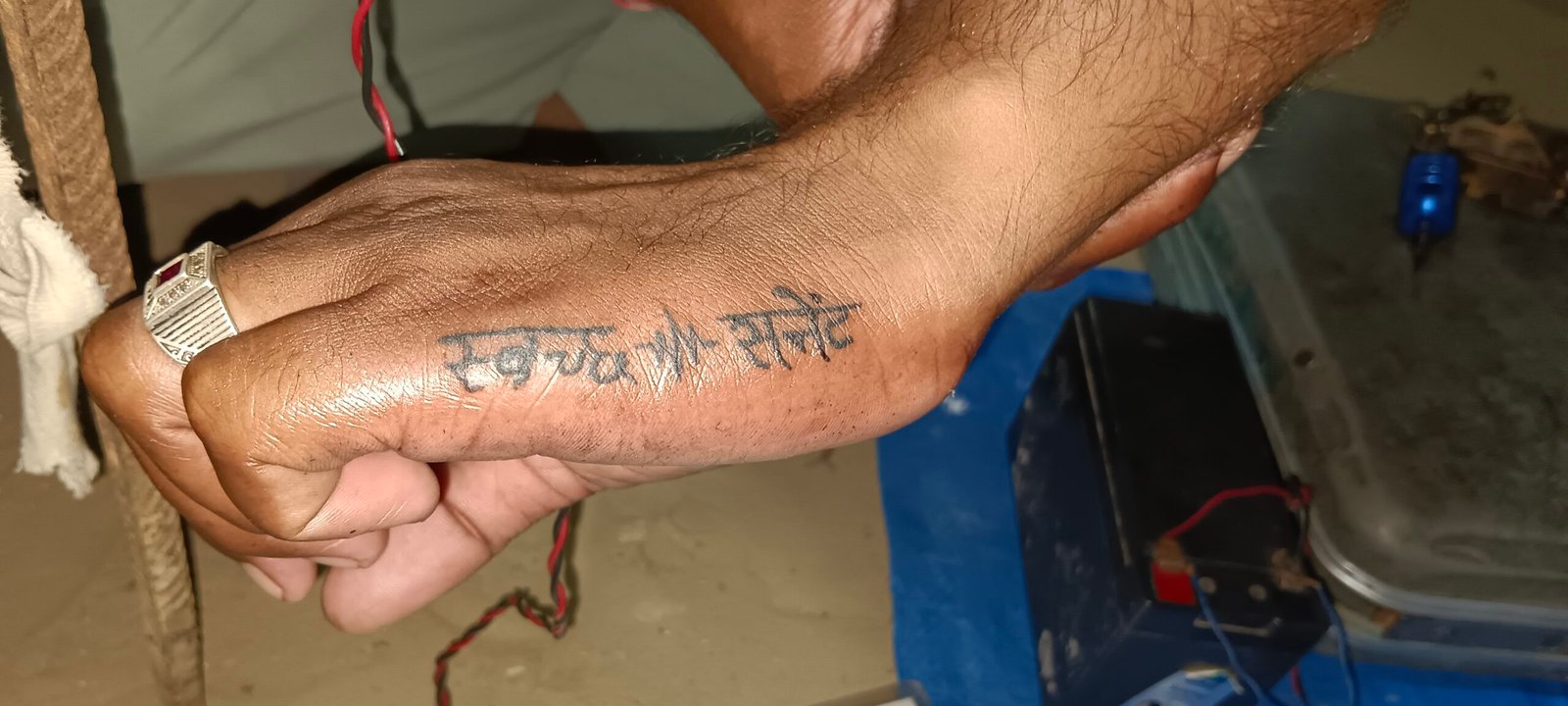
Balveer Singh Chaudhary of Sanet village, which is today a clean model village in Karauli district of Rajasthan has become a local …
A workshop to achieve WASH outcomes for rural communities To unpack the Call to Action, a definite Action Plan/ Roadmap needed to …
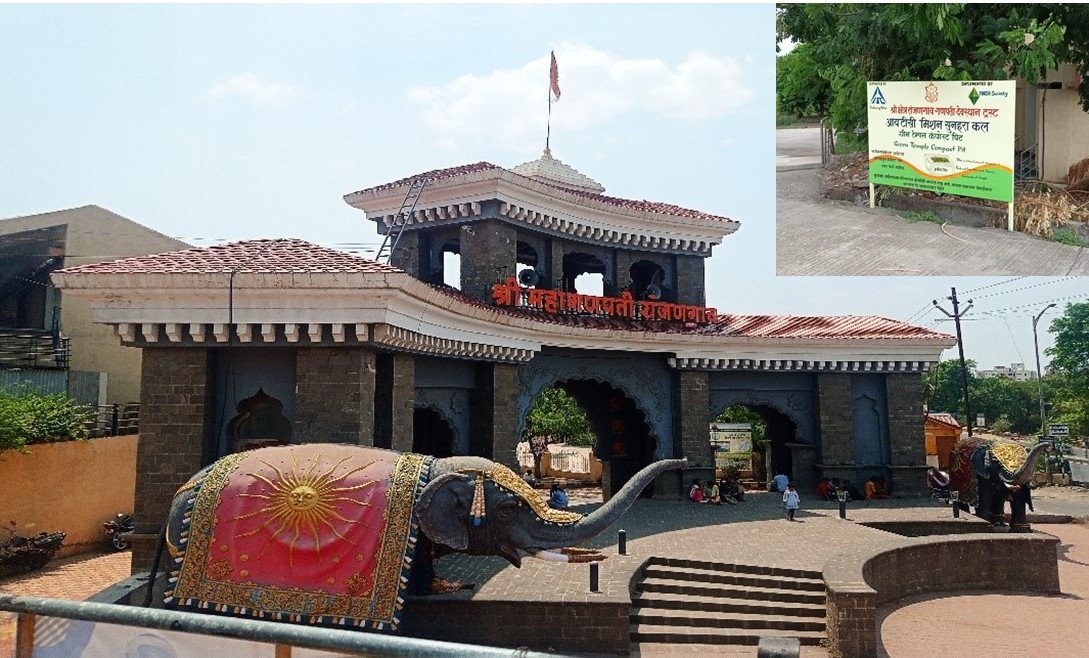
The Making of A Green Temple in Ranjangaon Places of religious worship like temples can be at the vanguard of the green …
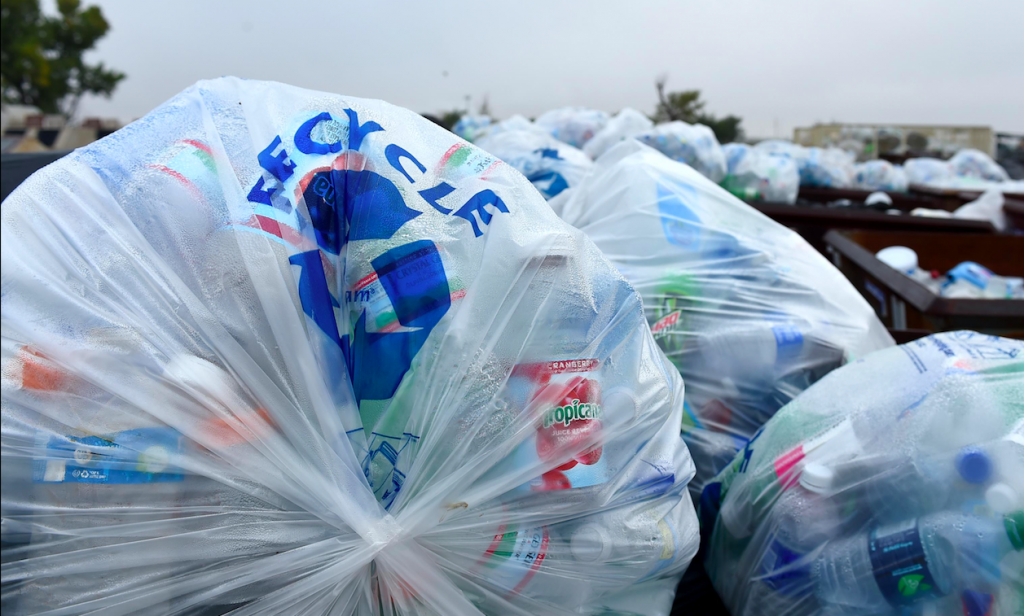
Plastic Waste Management Approach to Create a Plastic Free Environment in Amritsar through Livelihood Enhancement Plastics waste constitutes a significant portion of …
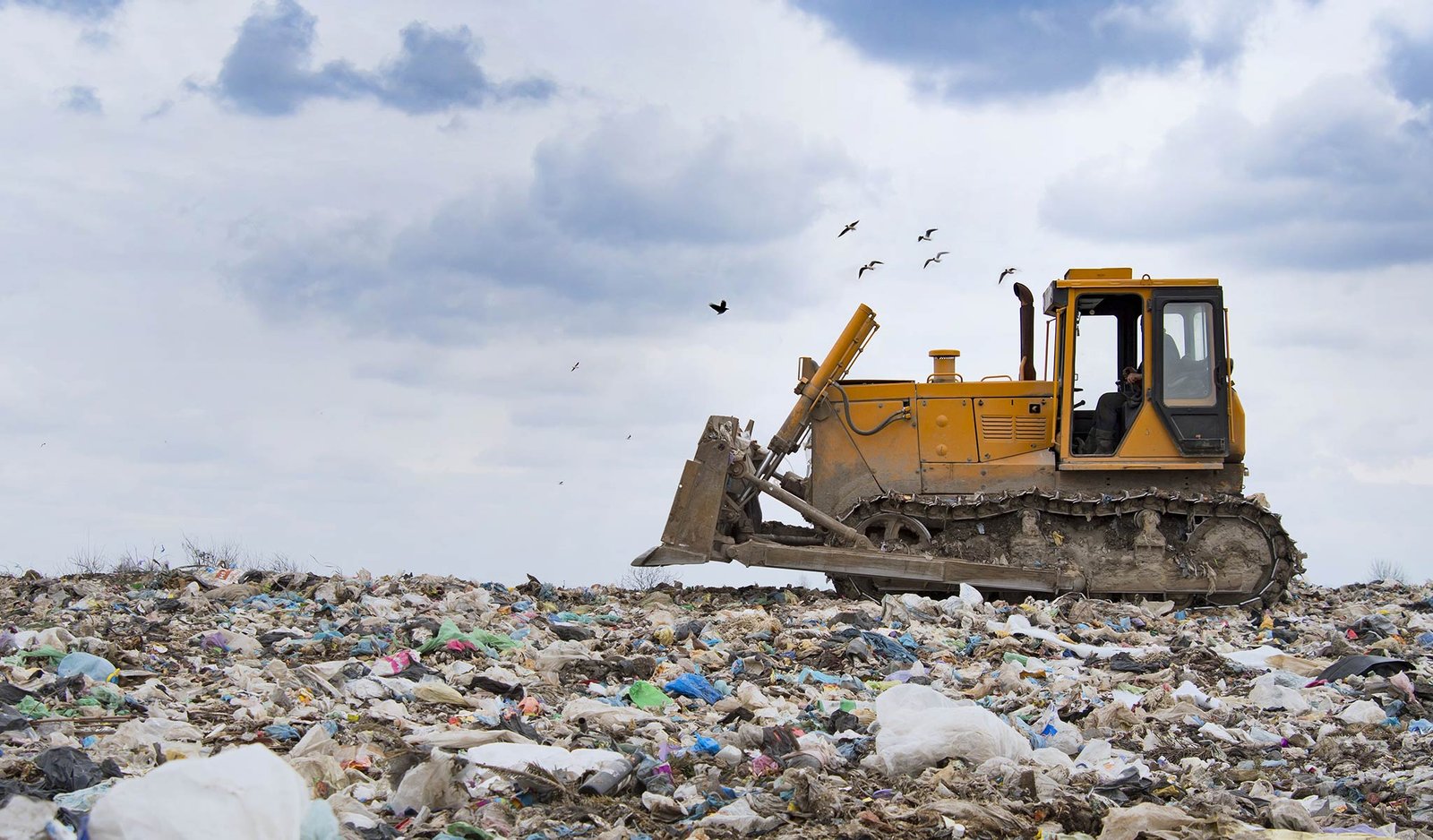
Working towards a ‘landfill-free’ zone… “Waste management should be such that a landfill site should not look like a landfill site,” believes …